
Blog

  • The Portion of the Ungodly

    In this powerful sermon, Rev. C. H. Spurgeon addresses the dire consequences of sin and the inevitable judgment that awaits the impenitent. Using the imagery from Isaiah 47:14, he warns that the fate of the ungodly is one of complete destruction, devoid of comfort or hope. Spurgeon emphasizes the justice of God and the importance of recognizing the severity of sin, urging listeners to turn to Christ for salvation before it is too late.


  • The Two Draughts of Fishes

    In this sermon, Rev. C. H. Spurgeon explores the significance of two miraculous draughts of fishes recorded in the Gospels of Luke and John. He emphasizes that these miracles serve as powerful illustrations of Christ’s ministry and the work of the Church. Spurgeon highlights the importance of human agency in God’s plan, the necessity of Christ’s presence for success, and the ultimate humility that comes from recognizing our dependence on Him.

  • God’s Will and Man’s Will

    In this sermon, Rev. C. H. Spurgeon explores the complex relationship between God’s sovereignty and human responsibility in the context of salvation. He emphasizes that salvation is ultimately dependent on God’s will and mercy, rather than human effort or desire. Spurgeon argues that while God’s will is paramount, human will also plays a significant role in the acceptance of salvation, inviting believers to understand the harmony between these two truths.

  • The Elders Before the Throne

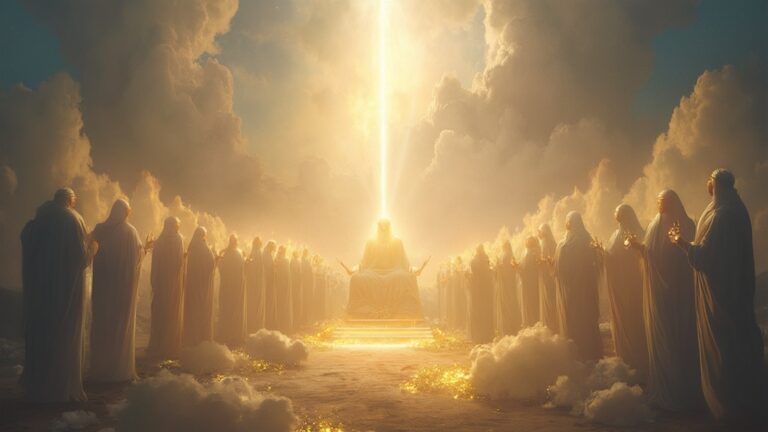
    In this sermon, Rev. C. H. Spurgeon reflects on the vision of the twenty-four elders surrounding God’s throne as described in Revelation 4. He emphasizes the unity of heaven and earth, the dignity and maturity of the saints in heaven, and the call for believers on earth to emulate their humility, worship, and service. Spurgeon encourages the congregation to prepare for their eternal home by living in a manner that reflects the character and devotion of the glorified saints.

  • Cheer for the Faint-Hearted

    In this sermon, Rev. C. H. Spurgeon explores the theme of faith amidst doubt and despair, drawing from the story of Manoah and his wife in Judges 13:23. He emphasizes that even the strongest believers can experience moments of wavering faith, especially after times of joy. Spurgeon encourages Christians to support one another in their struggles and to remember God’s past faithfulness and promises as a source of strength and hope.

  • The Danger of Doubting

    In this sermon, Rev. C. H. Spurgeon addresses the grave sin of doubting God’s goodness and faithfulness, as exemplified in the life of David. He emphasizes that such doubts are not trivial but rather serious offenses against God, akin to atheism. Through David’s experience, Spurgeon illustrates how unbelief can lead to foolish decisions, sin, and ultimately, a distancing from God. The sermon serves as a call to trust in God’s promises and to recognize the dangers of allowing doubt to take root in our hearts.

  • God or Self—Which?

    In this powerful sermon, Rev. C. H. Spurgeon addresses the critical question of whether our worship and actions are directed towards God or ourselves. He draws from Zechariah 7:5-6 to highlight the dangers of ritualistic worship devoid of true devotion. Spurgeon emphasizes that genuine worship must be done for God’s glory, not for personal gain or recognition. He challenges listeners to examine their motives and to ensure that their lives reflect a commitment to serving God above all else.

  • A Sight of Self

    In this powerful sermon, Rev. C. H. Spurgeon reflects on the nature of sin and the human condition as described in Isaiah 64:6-8. He emphasizes the importance of recognizing our own uncleanliness and the futility of self-righteousness. Spurgeon urges listeners to confront their sinfulness, understand their need for Christ, and seek genuine repentance and salvation. The sermon serves as a reminder of God’s grace and the transformative power of acknowledging our true state before Him.

  • A Sermon for Spring

    In this sermon, Rev. C. H. Spurgeon draws a beautiful parallel between the seasons of nature and the spiritual seasons in the life of a believer. He emphasizes the transition from the winter of despair to the spring of hope and renewal, urging the Church and individual believers to respond to Christ’s call to rise up and embrace the new life and opportunities that come with spiritual awakening. Spurgeon encourages believers to reflect on their spiritual journey, recognize the seasons of their faith, and actively pursue a deeper relationship with Christ.

  • Obtaining Promises

    In this sermon, Rev. C. H. Spurgeon emphasizes the richness and significance of God’s promises to believers. He illustrates how faith is the key to obtaining and experiencing these promises, drawing on biblical examples such as Abraham, David, and Joshua. Spurgeon encourages Christians to actively seek and claim these promises through faith, prayer, and obedience, reminding them of the unchanging nature of God’s word and the blessings that come from trusting in Him.