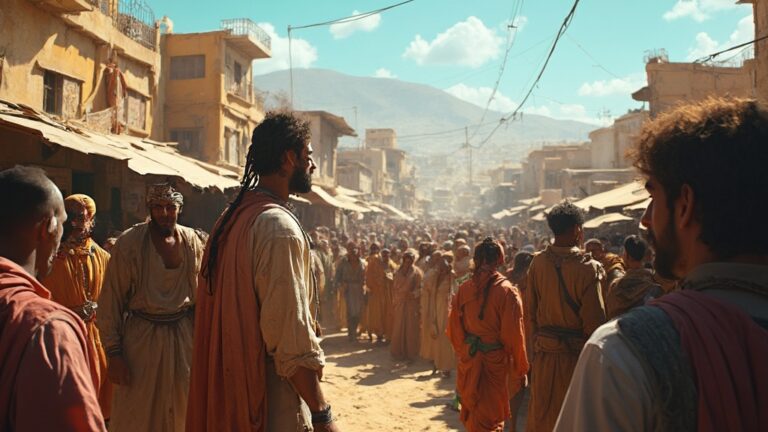
A Drama in Five Acts

Study Guide for “A Drama in Five Acts” Sermon

Introduction

In this sermon, Rev. C. H. Spurgeon reflects on the fleeting nature of life and the importance of focusing on eternal truths rather than temporary pleasures. Using the metaphor of a play, he illustrates how worldly joys, sorrows, and possessions are ultimately transient. Spurgeon encourages believers to live with an awareness of the brevity of time, urging them to invest in what is eternal and substantial—namely, their relationship with God and the souls of others.

Discussion Questions

  1. Understanding Transience: How does the metaphor of life as a play help you understand the temporary nature of worldly experiences? In what ways can this perspective change your daily priorities?

  2. Eternal vs. Temporal: Reflect on the things in your life that you consider substantial. How can you differentiate between what is truly lasting and what is merely a fleeting pleasure?

  3. Sorrow and Joy: Spurgeon mentions that Christians should weep as though they weep not and rejoice as though they rejoice not. How can you apply this principle in your own life, especially during times of sorrow or joy?

  4. Material Possessions: In what ways do you find yourself overly attached to material possessions? How can you cultivate a mindset that views these possessions as temporary and not the source of your identity or happiness?

  5. Living for Eternity: What practical steps can you take to ensure that your life is focused on eternal values rather than temporary gains? How can you actively contribute to the kingdom of God in your daily life?

  6. The Role of Faith: How does faith in God influence your perspective on life’s challenges and joys? In what ways can you strengthen your faith to help you navigate the ups and downs of life?

  7. Impact on Others: Spurgeon emphasizes the importance of considering the souls of others. How can you be more intentional in sharing the love of Christ with those around you?

Prayer

Heavenly Father, thank You for the gift of life and the reminder that our time here is short. Help us to see the world through the lens of eternity, valuing what truly matters. Teach us to hold loosely to the things of this world and to invest in our relationship with You and in the lives of others. May we find joy in serving You and sharing Your love. Guide us in our daily lives to reflect Your goodness and grace. In Jesus’ name, we pray. Amen.

Similar Posts

  • Election

    This sermon by Rev. C.H. Spurgeon explores the doctrine of election, which is often misunderstood and disregarded. Spurgeon argues that election is a biblical truth that should not be ignored or discarded. He emphasizes that election is not based on human works or merits, but is a result of God’s sovereign choice. The sermon highlights the truthfulness of election, its absolute and eternal nature, and its personal effects on believers. It also addresses the misconceptions and tendencies associated with the doctrine.

  • Obedience Better Than Sacrifice

    In this powerful sermon, C. H. Spurgeon emphasizes the importance of obedience to God’s commands over mere acts of sacrifice. Using the biblical account of Saul’s disobedience, Spurgeon calls both professing Christians and those yet to believe to reflect on their relationship with God. He urges believers to prioritize obedience to Christ’s teachings and commands, while also inviting the unconverted to trust in Jesus for salvation, highlighting that true faith is the pathway to eternal life.

  • The Former and the Latter Rain

    In this sermon, C. H. Spurgeon draws a parallel between the physical dependence of the land on rain for agricultural success and the spiritual dependence of believers on God’s grace for spiritual growth and vitality. He emphasizes the importance of both the “former rain,” representing the initial grace of God in our lives, and the “latter rain,” which signifies the ongoing need for God’s refreshing presence and power in our spiritual journey. Spurgeon encourages believers to seek this latter rain to ensure continued growth and fruitfulness in their faith.

  • A Bad Excuse is Worse Than None

    In this powerful sermon, Rev. C. H. Spurgeon reflects on the parable of the great supper from Luke 14:18, emphasizing the universal tendency of humanity to make excuses for rejecting the Gospel. He illustrates the richness of God’s grace and the folly of refusing His invitation to salvation. Spurgeon urges listeners to confront their excuses and recognize the urgency of accepting Christ’s offer of mercy.

  • Two Loving Invitations

    In this powerful sermon, C. H. Spurgeon explores two profound invitations from Jesus: “Come and see” and “Come and dine.” The first invitation beckons those who are curious about Christ to explore the truth of the Gospel, while the second invites believers to experience a deeper communion with Him. Spurgeon emphasizes the importance of moving from mere observation of Christ to a personal and intimate relationship with Him, encouraging both seekers and established believers to grow in their faith and understanding.

  • Memento Mori

    In this powerful sermon delivered by Rev. C. H. Spurgeon, the preacher urges us to confront the reality of death and its implications for our lives. He emphasizes that while society often avoids the topic of death, it is essential for our spiritual health to consider our mortality. By reflecting on death, we can gain wisdom, prioritize our lives, and prepare our hearts to meet God. Spurgeon encourages us to see death not just as an end, but as a transition to eternal life, urging both believers and non-believers to reflect on their relationship with Christ.